Home Positioning With the ball in play

With the ball in play
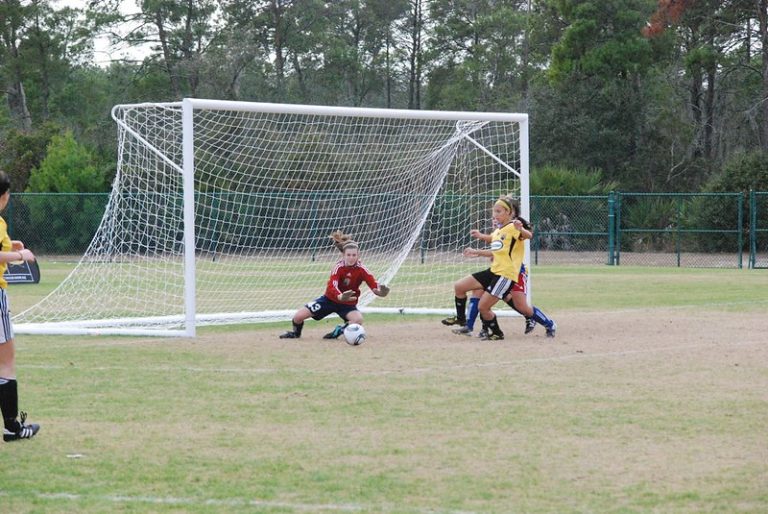
Goalkeeper positioning for the back pass or "death pass"

Portera ante un pase atrás del balón.

The back pass positioning — also known as the kill pass — is a key situation in modern football that demands accurate reading from both the attacker and the goalkeeper. This type of play occurs when an attacking player reaches the end line of the opponent's penalty area and sends a low or mid-height pass back, looking for a teammate coming in from the second row to finish the play.

From the goalkeeper's perspective, the back pass represents one of the most dangerous moments in the game. The goalkeeper must maintain a balanced position between the near post and the penalty spot, ready to react to both a direct shot and an assist into the center of the box.

Good goalkeeper positioning involves:

  • Keep your body oriented towards the ball and the possible trajectory of the pass.
  • Reduce the shooting angle without getting too far ahead.
  • Be prepared for a quick lateral shift or a backbend.


Correctly reading the back pass depends not only on technique, but also on anticipation and communication with the defense. Optimal positioning allows the goalkeeper to intercept the pass or react to the shot with greater confidence, drastically reducing the opponent's scoring opportunities.

Goalkeeper positioning according to ball possession

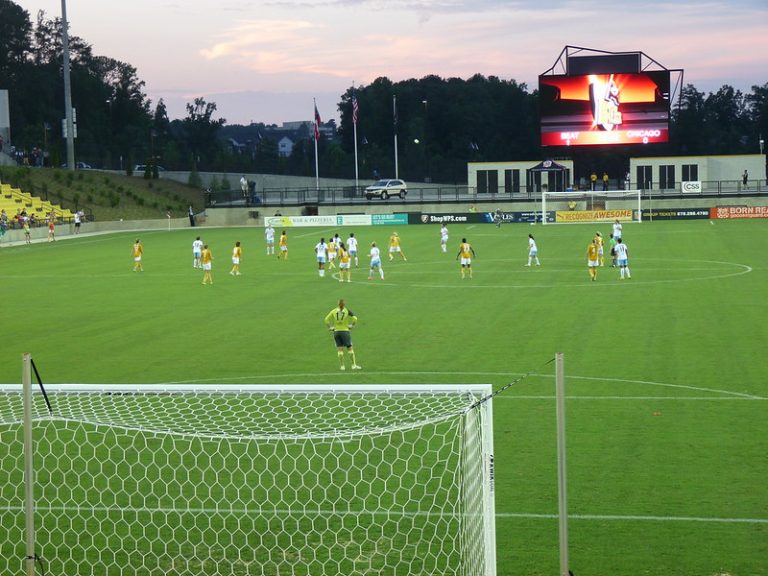
Portera fuera del área con el juego en campo rival.

Goalkeeper positioning varies constantly depending on who is in possession. Understanding how to adjust to each phase of the game is essential to improving defensive effectiveness, anticipation, and reaction time. A modern goalkeeper must not only protect the goal, but also actively participate in building play and controlling defensive space.

🟢 When the ball is in possession of one's own team

Building play from the back

  • Outside the penalty area:
    The goalkeeper can position himself outside the penalty area to act as an additional defender. From there, he provides passing options for the centre-backs and facilitates clean ball releases to the midfielders or full-backs. This positioning improves ball circulation and helps keep possession under control.
  • Near the six-yard box:
    Although involved in the build-up, the goalkeeper must be prepared to quickly retreat to his own six-yard box if possession is lost, thus preventing potentially dangerous counterattacks.

Under high pressure from the opponent

  • Inside the penalty area:
    If the opposing team is applying high pressure, the goalkeeper should stay inside the penalty area to receive safety passes. From this position, he can play the ball with his hands and maintain control of the play.
  • Near the edge of the box:
    In this scenario, the goalkeeper must be attentive to long balls and ready to intercept them. He acts as a goalkeeper-sweeper, anticipating possible passes behind the defense.

🔴 When the ball is in possession of the opposing team

Ball in the middle of the field or further

  • Near the edge of the penalty area:
    The goalkeeper should position himself close to the edge of the penalty area to reduce the angle in case of a deep ball and be ready to clear or intercept long balls.
  • Moving forward outside the box:
    Against opponents who use long balls or high passes, the goalkeeper can move forward a few meters to intercept before the striker and keep the defense high.

Ball near own area

  • Inside the six-yard box:
    In dangerous plays or loose balls close to the goal, the goalkeeper must fall back to his own six-yard box, cover the posts and reduce the shooting angles.
  • Constant lateral movements:
    It is essential that the goalkeeper maintains his alignment with the ball and the goal, adjusting his position laterally to always be centered on the trajectory of the game.

💡 Conclusion:

Correct goalkeeper positioning according to ball possession allows for control of the pace of the game, minimizes risks, and improves defensive coordination. Mastering these situations makes the goalkeeper a key player in both the offensive and defensive phases.

Entries down the wing: Goalkeeper positioning and reactions
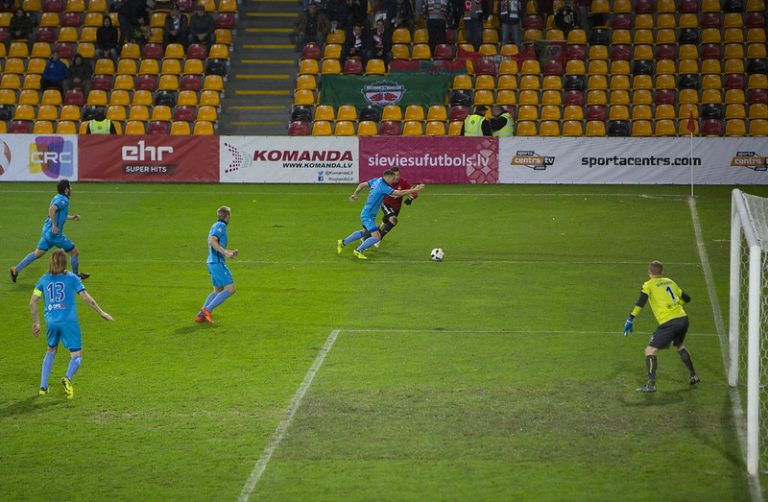
Portero ante una entrada por la banda del equipo rival.

Tackles down the wing are one of the most dangerous situations a goalkeeper faces. In these plays, the attacker reaches the goal line and can choose to cross, shoot, or pass backward. Therefore, the goalkeeper's positioning and their ability to anticipate are crucial factors in preventing a goal.

🧍‍♂️ Goalkeeper positioning


Cover the first post

When an opponent is breaking down the wing and approaching the byline, the goalkeeper should close the near post. This position prevents a direct shot or a close cross from slipping between the goalkeeper and the post.
The body should be balanced, with the knees semi-bent and the weight slightly forward, ready to react to a shot or a low pass.

Focus on the ball

As the ball moves down the wing, the goalkeeper must adjust their position laterally, moving from the far post towards the centre of the goal.
This movement allows them to maintain alignment with the ball and maintain optimal coverage for close crosses or shots. Good timing with this movement can make the difference between a successful save and a goal conceded.

🧠 Anticipation and reading of the game


Anticipate the centers

An effective goalkeeper doesn't react: he anticipates. He must observe the position of the attackers, the defenders and the opponent's striking leg to anticipate the type of cross.
With this information, he can decide to go out and intercept the ball or stay in contact if the cross is tight or difficult to reach.

Reading the attacker's intentions

Reading the game is a key skill for any goalkeeper. Knowing when a player is going to cross, shoot, or make a short pass inside the box allows the goalkeeper to gain milliseconds in their reaction time, which increases their effectiveness in their interventions.

📣 Communication and defensive organization


Constant communication with the defense

The goalkeeper should be the vocal leader of the defense. Their guidance on marking, covering, and positioning helps prevent attackers from receiving the ball in dangerous areas.
Clear and consistent communication improves coordination and reduces the risk of team errors.

Organization against lateral centers

On crosses from the wing, the goalkeeper must organize the defensive line to cover attackers, close down spaces, and prevent potential second chances. Meanwhile, the goalkeeper positions himself to intervene if the ball enters the box.

⚡ Quick reactions and decision making


Interception or staying on the line

In a fraction of a second, the goalkeeper must decide whether to go out and intercept the cross or wait in line.
This choice depends on the trajectory of the ball, the distance from the cross, and the position of the attackers. A correct reading prevents clear shots from the opponent.

Stops and detours

When faced with shots or headers after a run down the wing, the goalkeeper must react with quick reflexes, making saves or deflecting the ball to safe areas to prevent second chances.
Controlling rebounds is essential to keeping a clean sheet.

💡 Conclusion:

Goalkeeper positioning against attacks from the wing requires concentration, communication, and a sophisticated understanding of the game. Mastering these situations not only prevents goals, but also provides confidence to the entire defense.

en_USEnglish