
📅 Publicado el: April 3, 2025
🔄 Última actualización: August 3, 2025
How to Choose the Right Goalkeeper Gloves: A Complete Guide
The use of gloves for goalkeepers is optional, but undeniably beneficial. Although not mandatory, gloves play a fundamental role in improving grip, preventing injuries, increasing safety, and optimizing the goalkeeper's performance. Choosing the right pair can make the difference between a successful match and one filled with difficulties. Below, we offer a brief guide with the most common questions when choosing the ideal goalkeeper gloves.

What type of gloves should I choose?
Today, there are different types of goalkeeper gloves, with a variety of cuts that offer different feel and performance. Some of the most common cuts include the Flat Cut, Roll Finger, and Negative Cut. However, beyond variety, the most important thing when choosing a glove is the comfort and security you feel when wearing it. The choice of one cut or another can depend on personal preference, especially at more advanced stages, when the goalkeeper has already developed greater control and sensitivity with the ball.
It's essential that you feel comfortable wearing your gloves, as a secure fit and proper fit are key to good performance on the field. Try out various cuts and choose the one you feel most comfortable with, both in training and in matches.
How to choose the right glove size?
Glove sizing is also a personal decision. Some goalkeepers prefer looser gloves, while others opt for a tighter fit. Based on my personal experience, I always recommend choosing tighter gloves at first, as the material tends to give a little over time. So, the gloves may seem a little smaller at first, but as you wear them, they will fit your hands perfectly.
On the other hand, if you choose looser gloves from the start, they're likely to lose their proper fit over time, affecting ball feel and control. In short, opt for gloves that offer a good fit at first and trust that they'll adapt perfectly with use.
With or without elastic wristband?
One aspect to consider is the type of closure the gloves have, especially in relation to the wristband. Gloves can have no-wristband closure or elastic wristband, the latter being the most common and traditional option.
- Wristless closure: Although some goalkeepers prefer this option because of its less compression on the wrist, over time, the fit of this type of glove can loosen, compromising support and stability of the hand.
- Elastic Wristband: The elastic wristband provides a firm, secure fit that keeps the glove securely fastened, giving you added confidence and stability during play. It's also ideal for preventing wrist injuries by providing the necessary support.
Both options have their advantages, but the choice will depend on your personal preferences regarding comfort and the type of security you need in the field.
The palm of the glove: Which one to choose?
One of the most important aspects to consider when choosing goalkeeper gloves is the palm. There are several types of palms, with different thicknesses and materials, each with specific characteristics. The choice of palm will depend on your needs and the conditions in which you play.
- Palm Thickness: Gloves with thicker palms are generally more durable, while gloves with thinner palms provide better grip but may wear out more quickly.
- Latex Type: Gloves also differ based on the type of latex used. Natural latex, for example, offers excellent grip but may not be as durable in wet conditions or on artificial turf fields. On the other hand, synthetic latex is stronger and has greater durability.
The palm of the glove is critical in determining the quality of the grip, so be sure to choose a type that suits both the weather conditions and your playing style.
Glove maintenance: A crucial aspect
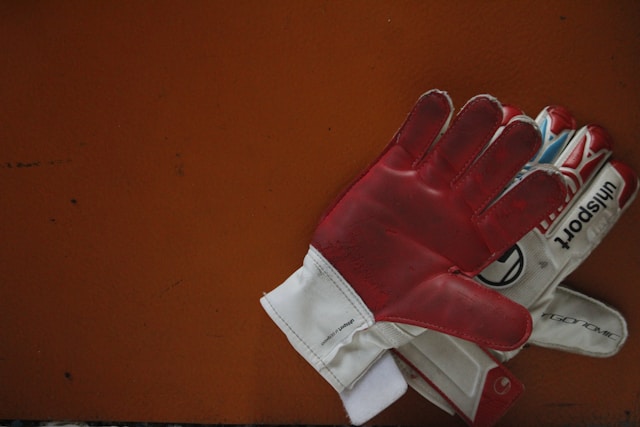
Regardless of the type of gloves you choose, proper maintenance is essential to prolong their lifespan and maintain their performance. Goalkeeper gloves need to be properly cared for to continue performing at their best on the field. From washing to storage, every detail counts in maintaining the quality of your gloves.
For more information on how to keep your gloves in top condition, visit our page dedicated to goalkeeper glove maintenance.
Conclusion
Choosing the right pair of gloves is a personal decision that should be based on comfort, safety, and the specific needs of each goalkeeper. Whether you prefer a custom fit, a snug fit, or an elastic wristband, the important thing is that you feel secure and comfortable in them. And don't forget that proper care of your gloves is essential to ensure their durability and performance in every match.
With this guide, we hope we've helped you make a more informed decision when choosing your gloves. Remember, in the end, the most important thing is that you feel comfortable and in control, ready to do your job between the sticks.
 English
  Spanish