
Goalkeeper gloves
What cut of goalkeeper gloves should I choose?
When choosing goalkeeper gloves, it's not just the design or palm type that matters. The cut type is one of the most important aspects, as it determines how the glove fits your hand, how it feels when catching the ball, and your level of control during the game. There are several cuts designed for different hand types and goalkeeping styles, from those who prefer a tighter, more technical glove to those looking for more contact surface area or comfort.
In this guide, we'll explain in clear and detailed detail the main types of goalkeeper glove cuts: Flat, Negative, Rollfinger, and Hybrid. Each one has specific characteristics that affect performance on the field. Knowing the differences will help you choose the cut that best suits your style of play, your preferences, and your needs as a goalkeeper.
Flat Cut

The flat cut, also known as the flat cut, is the most classic and traditional design.
- Characteristics: Palm sewn directly to the back with external seams.
- Adjustment: Looser and straighter, ideal for goalkeepers with wide hands.
- Advantages: Good durability, comfort and large contact surface.
- Recommended for: Goalkeepers who prioritize durability and a more spacious feel in the fingers.
Negative Cut

The negative cut is one of the most used at a professional level due to its tight fit.
- Characteristics: Seams facing inwards, allowing for more direct contact with the ball.
- Adjustment: Very tight, ideal for thin hands or for those looking for a more technical glove.
- Advantages: Greater sensitivity, control and precision.
- Recommended for: Goalkeepers who value ball touch and a “second skin” fit.
Rollfinger cut

The Rollfinger cut wraps your fingers with the palm to maximize contact area.
- Characteristics: The latex surrounds each finger without seams between them.
- Adjustment: Comfortable and slightly more padded, with a larger latex surface.
- Advantages: Excellent grip and feeling of security when catching.
- Recommended for: Goalkeepers looking for a glove that wraps around and has a large grip surface.
Hybrid Cut

The hybrid fit combines different styles to achieve a balance between fit, control, and comfort.
- Characteristics: Mix of cuts such as rollfinger, negative or flat depending on the design.
- Adjustment: Varía, pero ofrece una sensación personalizada y versátil.
- Advantages: Adaptability, balanced performance and ergonomic fit.
- Recommended for: Goalkeepers who want the best of several cuts in one glove.
Choose the glove that suits your style of play
Choosing the right goalkeeper gloves is a key decision for any goalkeeper, whether you play at an amateur or professional level. Beyond aesthetics, the glove's cut directly influences performance: it affects grip, ball feel, finger mobility, and comfort level during matches or training.
There's no one cut that's better than another; it all depends on your playing style. If you're looking for greater precision and fit, the negative cut may be ideal. If you prefer a larger contact surface, the rollfinger may be your choice. For those looking for a more personalized feel, hybrid cuts offer a perfect balance. The important thing is that the glove feels like an extension of your hand.
Explore, test, and choose the goalkeeper glove cut that allows you to perform at your best in every intervention. Because every save counts, and it all starts with well-equipped hands.
Types of closures on goalkeeper glove wristbands
In addition to the palm cut, another fundamental aspect of goalkeeper gloves is the type of wrist closure. This area is key to achieving a firm, secure, and comfortable fit, as it directly influences the goalkeeper's sense of control and protection.
Below, we present four of the most common types of wristband closure:
traditional Velcro closure, closure without a wristband, elastic wristband, and bandage-style wristband.
Of course, there are more variants and combinations, but These represent the most popular and recognizable.
Traditional Velcro closure
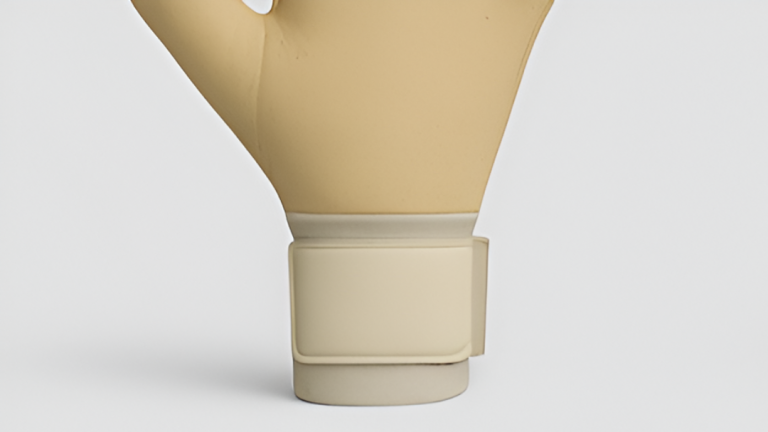
The traditional Velcro closure is the most common system and has been used in goalkeeper gloves for decades.
Characteristics: Velcro strap that wraps once or twice around the wrist.
Adjustment: Firm and adjustable according to the pressure the goalkeeper desires.
Advantages: Safety, ease of use and great support in the wrist area.
Recommended for: Goalkeepers looking for a reliable, classic fit with good support.
Slip-on closure
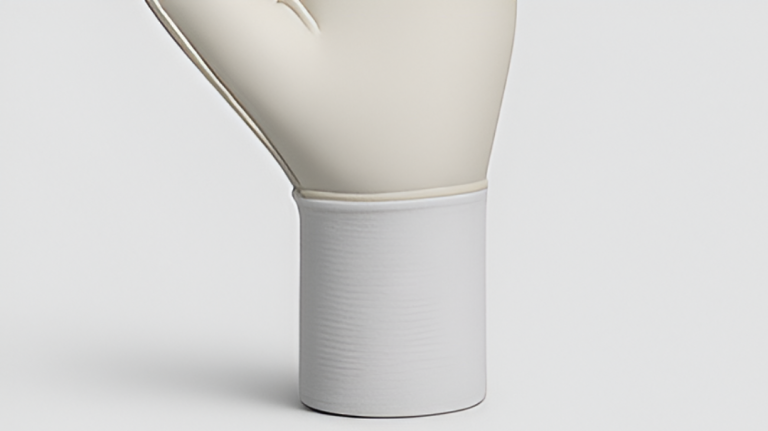
The wrist-free closure eliminates the use of straps or Velcro, offering a cleaner, lighter structure.
Characteristics: A tight-fitting entry without a closure, usually with an elastic or compression zone.
Adjustment: Tight but with less compression on the wrist.
Advantages: Greater comfort, lightness and speed to put on and take off the glove.
Recommended for: Goalkeepers who prefer freedom of movement and a minimalist design.
Elastic wristband
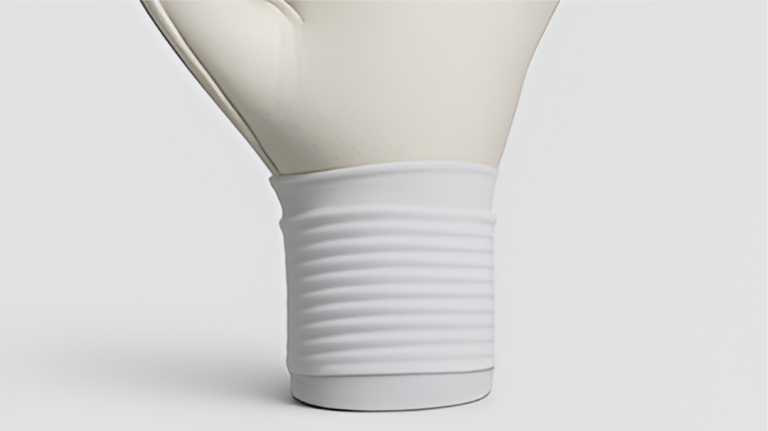
The elastic wristband offers an anatomical fit, promoting a wraparound feel without the need for straps.
Characteristics: Elastic material (such as neoprene or lycra) that adapts to the contour of the wrist.
Adjustment: Tight and flexible, with a second-skin effect.
Advantages: Comfort, mobility and smooth transition between glove and wrist.
Recommended for: Goalkeepers who prioritize fluidity of movement and modern fit.
Wristband type bandage
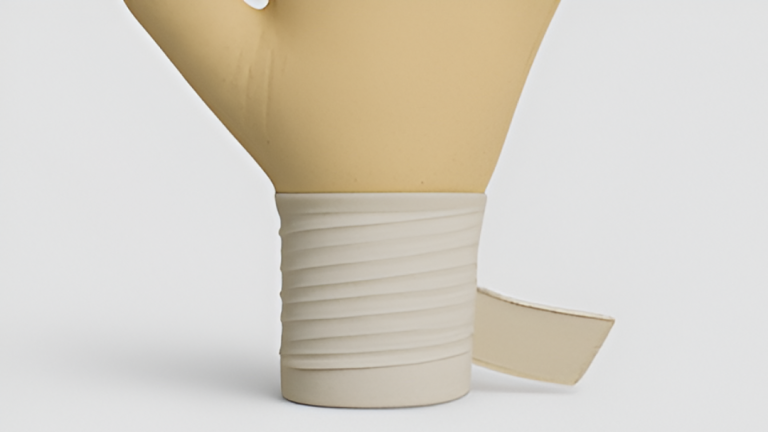
Inspired by sports bandages, this type of closure allows for a compressive and personalized fit.
Characteristics: Long elastic band that wraps around the wrist to simulate a bandage.
Adjustment: Very firm, with the possibility of adjusting the pressure to taste.
Advantages: Excellent support, stability and feeling of protection.
Recommended for: Goalkeepers who need maximum support and prefer a wraparound fit.
Latex in goalkeeper gloves: Types and characteristics
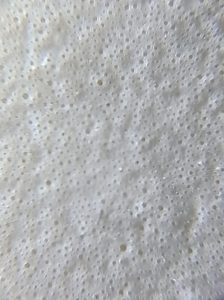
Latex is the key component of the palms of goalkeeper gloves, as it directly determines the glove's grip, protection, and durability. There are several generic types of latex, each designed to adapt to different playing conditions and goalkeeper needs. Knowing their characteristics will help you choose the perfect glove for your level and playing style.
It's important to note that many brands develop their own custom formulas and latex types, so this classification serves as a general, guiding guide to understanding the basic differences between the most common materials.
Natural Latex (Premium)
This type of latex is known for its exceptional grip in dry and slightly damp conditions. Its soft feel and high elasticity provide superior ball control and good cushioning upon impact. However, its durability is limited, especially when used on abrasive surfaces such as artificial turf.
Synthetic Latex
More wear-resistant, synthetic latex is ideal for frequent training and for use on artificial turf or hard surfaces. Although its grip isn't as effective as natural latex, it stands out for its durability and more affordable price.
Hybrid Latex
Combining the advantages of natural and synthetic latex, hybrid latex offers a balance between grip and durability. It's a versatile option for goalkeepers who require performance in a variety of weather conditions and surface types.
Latex for Humid Climates
Specially formulated to maintain excellent grip in rainy or wet conditions, this latex features additional adhesive properties that prevent the ball from slipping, improving safety when catching in the rain.
High Durability Latex
This type of latex is designed to resist abrasion and prolonged wear, making it ideal for intense workouts or use on abrasive synthetic surfaces. While it sacrifices some grip and feel, it ensures a much longer lifespan.
Soft or Foam Latex
Very soft and responsive, this latex offers a superior touch and feel, perfect for dry conditions and professional players seeking precision and control. Its durability is limited, so it requires special care.
| Latex type | Grip | Durability | Ideal conditions | Regular use |
|---|---|---|---|---|
Latex type | ★★★★★ | ★★☆☆☆ | Dry, somewhat damp | Professional competition |
Synthetic latex | ★★☆☆☆ | ★★★★☆ | Artificial grass, hard | Training |
Hybrid latex | ★★★★☆ | ★★★☆☆ | Multi-conditions | Advanced training |
Latex for humid climates | ★★★★☆ | ★★☆☆☆ | Rain, humidity | Matches in rain |
High durability latex | ★★☆☆☆ | ★★★★☆ | Abrasive surfaces | Intensive use, training |
Foamed/soft latex | ★★★★☆ | ★★☆☆☆ | Abrasive surfaces | Professionals, fine touch |
Which one to choose?
The choice of latex will depend on several factors, such as the level of play, field conditions, typical weather, and frequency of use. For professional matches on natural grass, natural latex is the ideal choice. However, for training or artificial surfaces, synthetic or hybrid latex is more durable and economical. If you frequently play in the rain, look for gloves with latex designed for wet weather.
Investing in good latex is investing in your performance and safety in goal. Also, to extend the life of your gloves and maintain the performance of the latex, don't forget to follow the best care and cleaning practices. You can learn more about how to do this in our glove maintenance guide.
 English
  Spanish