
📅 Publicado el: septiembre 19, 2025
🔄 Última actualización: septiembre 19, 2025
Portero, guardameta o arquero: el origen de los nombres del guardián del arco
En el mundo del fútbol, pocas posiciones tienen tantos nombres como la del jugador encargado de proteger la portería. Según el país y la tradición, se le conoce como portero, guardameta o arquero. Aunque todas las palabras hacen referencia al mismo rol, cada una tiene un origen distinto que refleja la historia del idioma y la cultura futbolística.
En este artículo exploraremos el origen y la evolución de estos tres términos, así como las regiones donde se utilizan con más frecuencia.

El origen de la palabra portero
La palabra portero proviene del latín porta, que significa “puerta”. En su sentido más antiguo, un portero era la persona encargada de vigilar o cuidar la entrada de un edificio, un convento, un colegio o incluso un palacio.
Cuando el fútbol comenzó a popularizarse en España a finales del siglo XIX, la metáfora fue inmediata: la portería se entendió como una puerta que había que defender. De ahí que el jugador encargado de custodiarla recibiera el nombre de portero.
Hoy en día, “portero” es el término más común en España y en gran parte del mundo hispanohablante, y se ha consolidado en el vocabulario futbolístico como la forma más reconocida para designar al guardián de la portería.
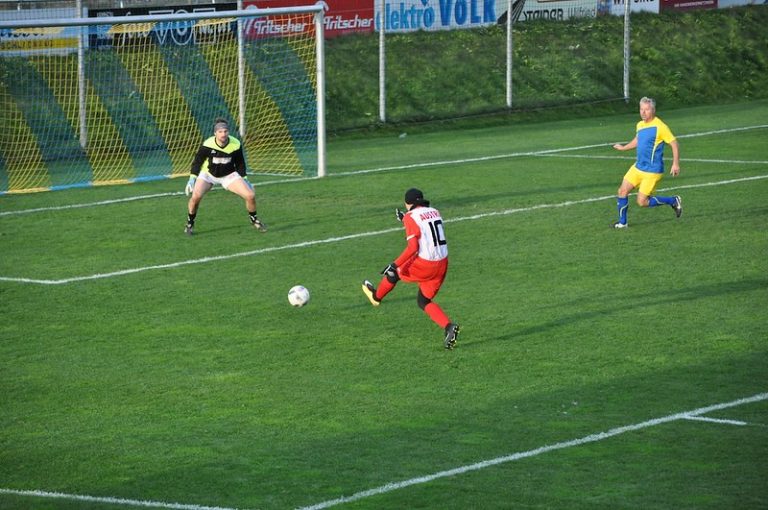
Guardameta: el que protege el objetivo
El término guardameta está formado por dos elementos:
- guardar: proteger, custodiar.
- meta: del griego metá, que significa “fin” o “objetivo”. En el ámbito deportivo, designa el lugar donde termina la carrera o donde se marca el gol.
Así, guardameta significa literalmente “el que guarda la meta”. Se trata de un término de carácter más literario y técnico que portero, aunque en España todavía se usa con bastante frecuencia en narraciones deportivas y crónicas de prensa.
Curiosamente, fuera de España no es tan común. En la mayor parte de Latinoamérica, guardameta aparece en el lenguaje formal, pero en la calle se prefiere decir arquero o portero.

Arquero: el defensor del arco
La palabra arquero tiene un origen distinto a las anteriores. Viene del latín arcarius, derivado de arcus, que significa “arco”.
En su uso original, un arquero era un soldado que combatía con arco y flechas. Con el tiempo, el término se aplicó metafóricamente en el fútbol: la portería es un arco, y el arquero es el encargado de defenderlo.
Este término es especialmente popular en países sudamericanos como Argentina, Uruguay, Paraguay, Colombia y Chile, donde la portería suele llamarse directamente “arco”. En estos lugares, hablar de arquero es tan natural como hablar de portero en España.
Diferencias de uso en el mundo hispano
Aunque las tres palabras son correctas, su uso depende en gran medida del país y del contexto:
- España → prevalece portero, con guardameta como sinónimo literario.
- México y Centroamérica → se emplean portero y arquero, aunque el primero es más habitual.
- Sudamérica (Argentina, Uruguay, Colombia, Chile, Paraguay) → domina el uso de arquero, ligado a la costumbre de llamar arco a la portería.
- Lenguaje periodístico → guardameta suele aparecer en crónicas escritas para dar variedad al estilo.
Más que un nombre: un símbolo del fútbol
Cada término no solo describe al jugador, sino que también refleja una manera de entender el fútbol:
- Portero destaca la portería como puerta, el lugar de entrada al gol.
- Guardameta resalta la función protectora, subrayando la responsabilidad del portero como último defensor.
- Arquero pone en el centro la portería como arco, reforzando la idea de lucha, reflejos y precisión.
Al final, todas estas denominaciones comparten un mismo significado: designan al futbolista que, con valentía y técnica, defiende el arco contra los ataques rivales.
Conclusión: tres palabras, una misma pasión
La riqueza del idioma español permite que un mismo rol reciba nombres distintos según la tradición y la región. Portero, guardameta y arquero son más que simples sinónimos: cada uno cuenta una pequeña historia del fútbol y del idioma.
No importa cómo lo llames: lo cierto es que el portero —o guardameta, o arquero— es el alma de la defensa y, en muchas ocasiones, el héroe que define un partido.